Traditional Clothing: Exploring Regional Garments
Category : Traditional Clothing en | Sub Category : Regional Garments Posted on 2023-07-07 21:24:53
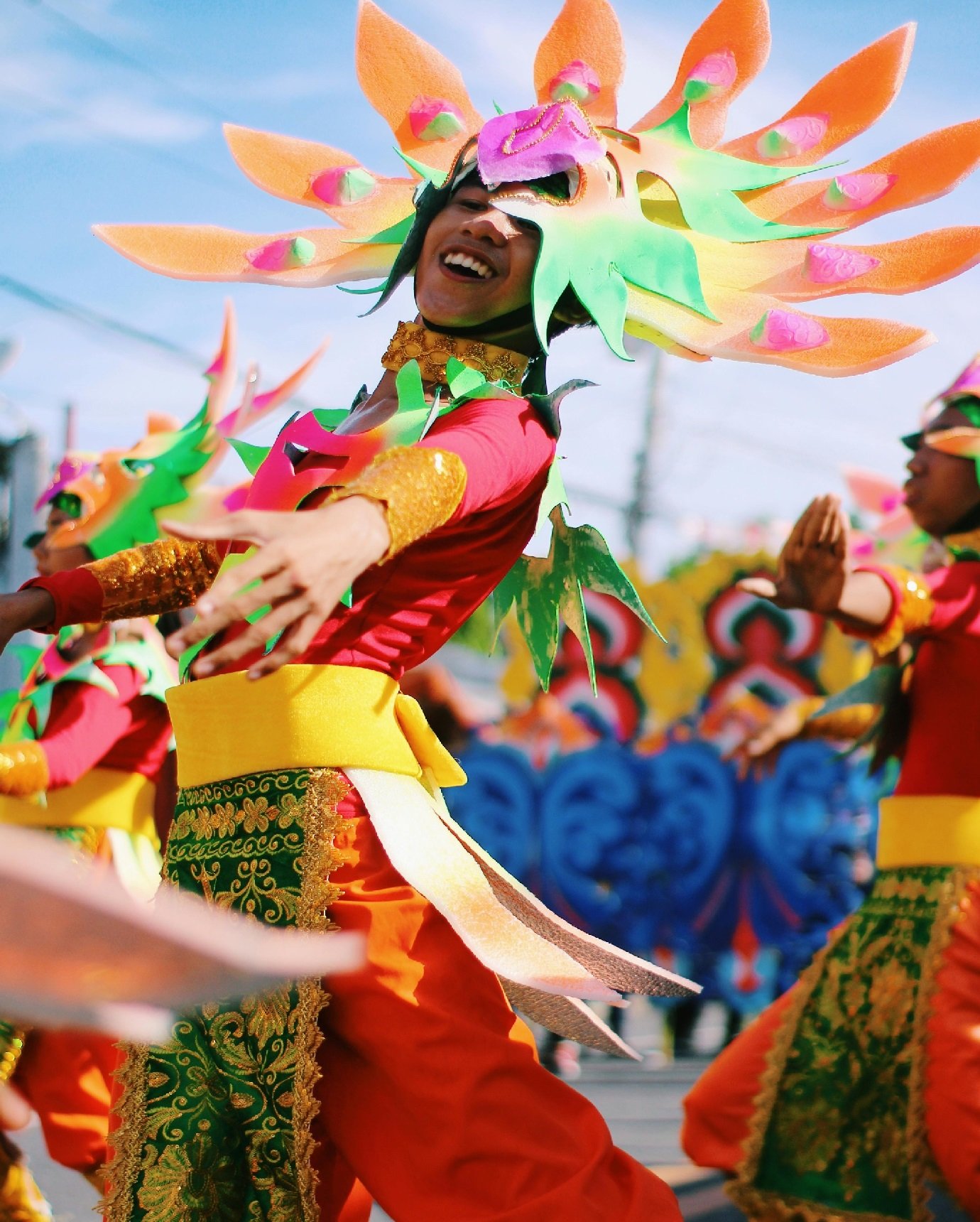
Traditional Clothing: Exploring Regional Garments
Traditional clothing reflects the rich cultural heritage of different regions around the world. From intricate designs to vibrant colors, traditional garments carry stories of tradition, identity, and history. Let's take a journey through some of the most fascinating regional garments that have stood the test of time.
1. Kimono (Japan): The kimono is a symbol of Japanese culture and tradition. Known for its T-shaped silhouette and wide sleeves, the kimono is often worn on special occasions such as weddings and tea ceremonies. The intricate patterns and luxurious fabrics used in making kimonos highlight the attention to detail and craftsmanship that is synonymous with Japanese culture.
2. Sari (India): The sari is a traditional garment worn by women in India and other South Asian countries. This elegant drape consists of a long piece of fabric that is wrapped around the body, with one end draped over the shoulder. The versatility of the sari allows it to be styled in numerous ways, making it suitable for various occasions ranging from weddings to casual gatherings.
3. Dashiki (West Africa): The dashiki is a colorful garment worn by men and women in West Africa. Characterized by its loose, flowing fit and intricate embroidery, the dashiki is often worn during special ceremonies and cultural events. Each dashiki is unique, with vibrant patterns and colors that reflect the wearer's cultural background and personal style.
4. Hanbok (Korea): The hanbok is the traditional attire of Korea, known for its vibrant colors and graceful lines. Hanboks consist of a jeogori (jacket) and chima (skirt) for women, and a jeogori and baji (pants) for men. The intricate embroidery and bold colors of hanboks represent the beauty and elegance of Korean culture, making them a popular choice for weddings and traditional celebrations.
5. Highland Dress (Scotland): Highland dress is the traditional attire worn in Scotland, with the most famous component being the kilt. Kilts are pleated skirts made of tartan fabric that signify the wearer's clan or family heritage. Paired with a sporran (a pouch worn around the waist) and other accessories like a jacket and sgian-dubh (a small knife), Highland dress is a symbol of Scottish pride and tradition.
In conclusion, traditional clothing serves as a link to the past, connecting us to our cultural roots and heritage. Regional garments not only showcase the craftsmanship and artistry of different cultures but also serve as a visual representation of identity and tradition. By preserving and celebrating these garments, we continue to honor and appreciate the diverse cultures that make our world so unique and vibrant.
Leave a Comment:
SEARCH
Recent News
- Zurich, Switzerland is a city known for its stunning landscapes, charming streets, and vibrant culture. One of the many delights of visiting Zurich is the opportunity to explore its unique shopping scene. For those looking to add a touch of luxury and warmth to their wardrobe, Zurich is the perfect place to discover exquisite wool stoles.
- Winter in Zurich, Switzerland is a magical time of year when snow-capped mountains, charming Christmas markets, and cozy cafes create a picturesque scene straight out of a fairytale. As the temperatures drop and the city prepares for the festive season, one essential accessory that both locals and visitors alike reach for to stay warm and stylish is a winter stole.
- Zurich, Switzerland: A Haven for Wildlife Conservation
- Zurich, Switzerland, and Vancouver, Canada, are two bustling cities known for their thriving startup scenes. In this blog post, we will take a closer look at some of the top startups making waves in each city.
- Zurich, Switzerland and Vancouver, Canada: A Comparison of Import and Export Opportunities
- Zurich, Switzerland and Vancouver, Canada are two vibrant cities with distinct characteristics that make them stand out in their respective regions. While Zurich is known for its financial prowess and high quality of life, Vancouver is a bustling hub of business and innovation on the west coast of Canada. Let's take a closer look at how these two cities compare in terms of their business environments.
- Zurich, Switzerland and Vancouver, Canada are both vibrant cities known for their strong economies and diverse job markets. In this article, we explore some of the best companies to work for in these two cities, highlighting their unique offerings and what makes them stand out in their respective industries.
- Located in the heart of Switzerland, Zurich is known for its stunning natural beauty, bustling city life, and thriving business environment. The city attracts businesses from all over the world, thanks to its robust infrastructure, highly skilled workforce, and favorable economic policies. For UK businesses looking to expand or set up operations in Zurich, there are a number of government business support programs available to help navigate the process.
READ MORE
11 months ago Category :

Zurich, Switzerland is a city known for its stunning landscapes, charming streets, and vibrant culture. One of the many delights of visiting Zurich is the opportunity to explore its unique shopping scene. For those looking to add a touch of luxury and warmth to their wardrobe, Zurich is the perfect place to discover exquisite wool stoles.
Read More →11 months ago Category :

Winter in Zurich, Switzerland is a magical time of year when snow-capped mountains, charming Christmas markets, and cozy cafes create a picturesque scene straight out of a fairytale. As the temperatures drop and the city prepares for the festive season, one essential accessory that both locals and visitors alike reach for to stay warm and stylish is a winter stole.
Read More →11 months ago Category :

Zurich, Switzerland: A Haven for Wildlife Conservation
Read More →11 months ago Category :
