Dance and music are two art forms that have been intertwined for centuries. From classical ballet to contemporary hip-hop, dance has always had a close relationship with music. One of the key elements of music that complements dance is the use of musical instruments. Music instruments play a crucial role in setting the tone, tempo, and mood of a dance performance.
Category : Dance Music en | Sub Category : Music Instruments Posted on 2023-07-07 21:24:53
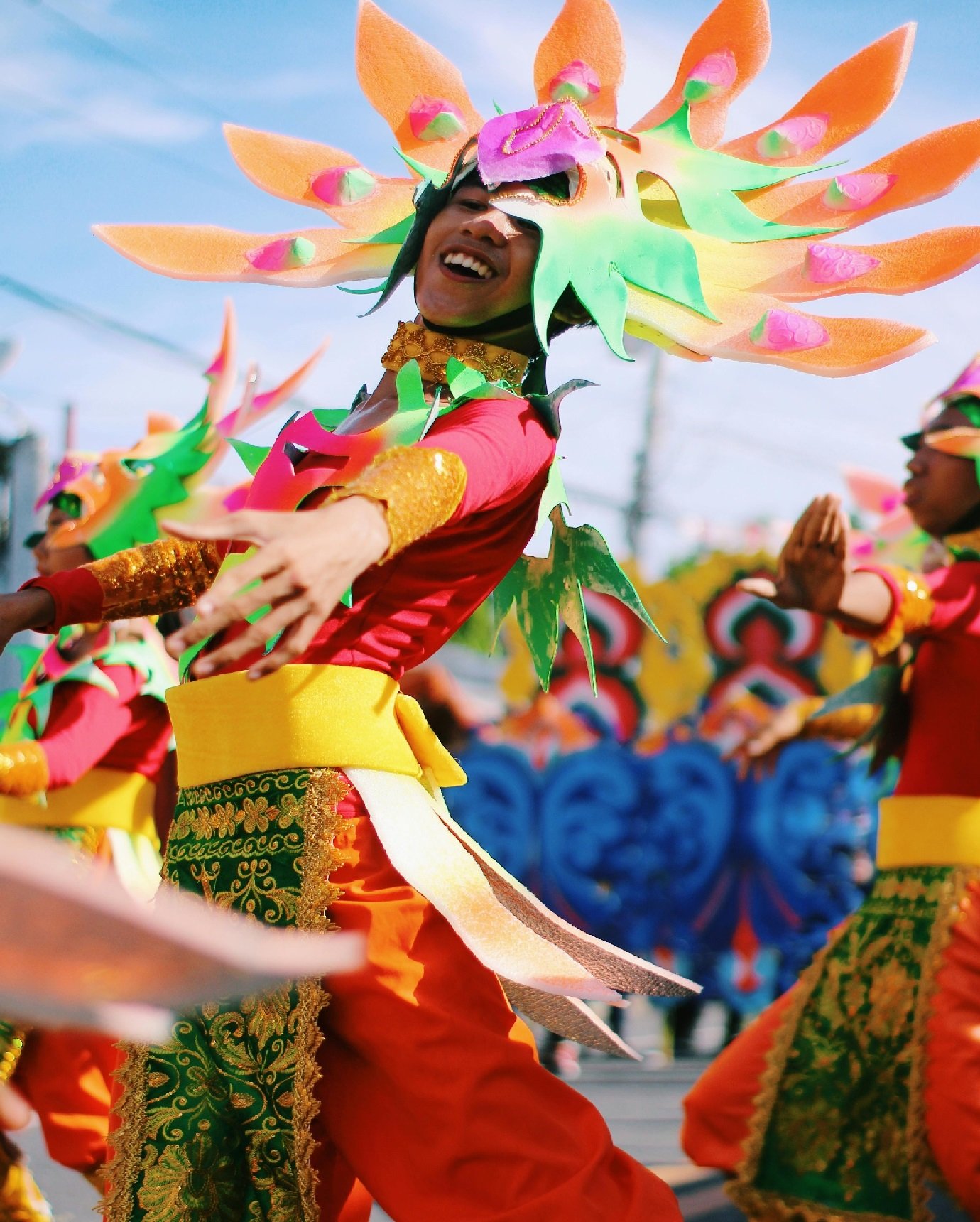
Dance and music are two art forms that have been intertwined for centuries. From classical ballet to contemporary hip-hop, dance has always had a close relationship with music. One of the key elements of music that complements dance is the use of musical instruments. Music instruments play a crucial role in setting the tone, tempo, and mood of a dance performance.
There is a wide variety of musical instruments that are commonly used in dance performances across different cultures and genres. Let's explore some of the most popular music instruments and how they enhance the dance experience:
1. Drums: Drums are one of the oldest and most versatile musical instruments used in dance. They provide rhythmic patterns that dancers can synchronize their movements to. The deep, pulsating beats of drums create a powerful and dynamic backdrop for energetic dance styles like African dance, flamenco, and tap dance.
2. Flutes: Flutes produce soft and melodious tones that are perfect for more lyrical and expressive dance styles. The airy sound of flutes can evoke emotions and add a poetic quality to movements. In traditional dances like Indian classical dance or Irish step dance, flutes often accompany the dancers, enhancing the storytelling aspect of the performance.
3. Guitars: Guitars are widely used in various dance genres, from flamenco to contemporary dance. The rhythmic strumming and plucking of guitar strings can add a layer of complexity to choreography and create an intimate atmosphere. The versatility of guitars allows them to adapt to different dance styles, from fiery footwork in flamenco to subtle gestures in tango.
4. Violins: Violins are known for their soulful and emotive sound, making them a popular choice for ballet and modern dance performances. The expressive range of the violin can mirror the graceful movements of dancers and enhance the emotional depth of a piece. In classical ballet, live violin music often accompanies pas de deux or solo performances, adding a touch of elegance and sophistication.
5. Percussion Instruments: Percussion instruments like tambourines, maracas, and cymbals are essential for adding accents and textures to dance music. They can provide accents, fills, and transitions that highlight specific movements and create dynamic contrasts. In traditional folk dances or contemporary fusion styles, percussion instruments are used to create intricate rhythms and enhance the overall musicality of the performance.
In conclusion, music instruments play a vital role in enhancing the dance experience by providing rhythm, melody, and mood to the movements of dancers. Whether it's the thundering beats of drums, the enchanting melodies of flutes, or the expressive tones of violins, music instruments add depth and dimension to dance performances across different genres and cultures. The synergy between dance and music instruments creates a captivating sensory experience that resonates with audiences worldwide.
Leave a Comment:
SEARCH
Recent News
- Zurich, Switzerland is a city known for its stunning landscapes, charming streets, and vibrant culture. One of the many delights of visiting Zurich is the opportunity to explore its unique shopping scene. For those looking to add a touch of luxury and warmth to their wardrobe, Zurich is the perfect place to discover exquisite wool stoles.
- Winter in Zurich, Switzerland is a magical time of year when snow-capped mountains, charming Christmas markets, and cozy cafes create a picturesque scene straight out of a fairytale. As the temperatures drop and the city prepares for the festive season, one essential accessory that both locals and visitors alike reach for to stay warm and stylish is a winter stole.
- Zurich, Switzerland: A Haven for Wildlife Conservation
- Zurich, Switzerland, and Vancouver, Canada, are two bustling cities known for their thriving startup scenes. In this blog post, we will take a closer look at some of the top startups making waves in each city.
- Zurich, Switzerland and Vancouver, Canada: A Comparison of Import and Export Opportunities
- Zurich, Switzerland and Vancouver, Canada are two vibrant cities with distinct characteristics that make them stand out in their respective regions. While Zurich is known for its financial prowess and high quality of life, Vancouver is a bustling hub of business and innovation on the west coast of Canada. Let's take a closer look at how these two cities compare in terms of their business environments.
- Zurich, Switzerland and Vancouver, Canada are both vibrant cities known for their strong economies and diverse job markets. In this article, we explore some of the best companies to work for in these two cities, highlighting their unique offerings and what makes them stand out in their respective industries.
- Located in the heart of Switzerland, Zurich is known for its stunning natural beauty, bustling city life, and thriving business environment. The city attracts businesses from all over the world, thanks to its robust infrastructure, highly skilled workforce, and favorable economic policies. For UK businesses looking to expand or set up operations in Zurich, there are a number of government business support programs available to help navigate the process.
READ MORE
11 months ago Category :

Zurich, Switzerland is a city known for its stunning landscapes, charming streets, and vibrant culture. One of the many delights of visiting Zurich is the opportunity to explore its unique shopping scene. For those looking to add a touch of luxury and warmth to their wardrobe, Zurich is the perfect place to discover exquisite wool stoles.
Read More →11 months ago Category :

Winter in Zurich, Switzerland is a magical time of year when snow-capped mountains, charming Christmas markets, and cozy cafes create a picturesque scene straight out of a fairytale. As the temperatures drop and the city prepares for the festive season, one essential accessory that both locals and visitors alike reach for to stay warm and stylish is a winter stole.
Read More →11 months ago Category :

Zurich, Switzerland: A Haven for Wildlife Conservation
Read More →11 months ago Category :
