Dance and music have always been deeply intertwined, especially when it comes to folk music. Folk music, rooted in the cultural traditions of a particular region or community, serves as the rhythmic and melodic backdrop for traditional dances that have been passed down through generations.
Category : Dance Music en | Sub Category : Folk Music Posted on 2023-07-07 21:24:53
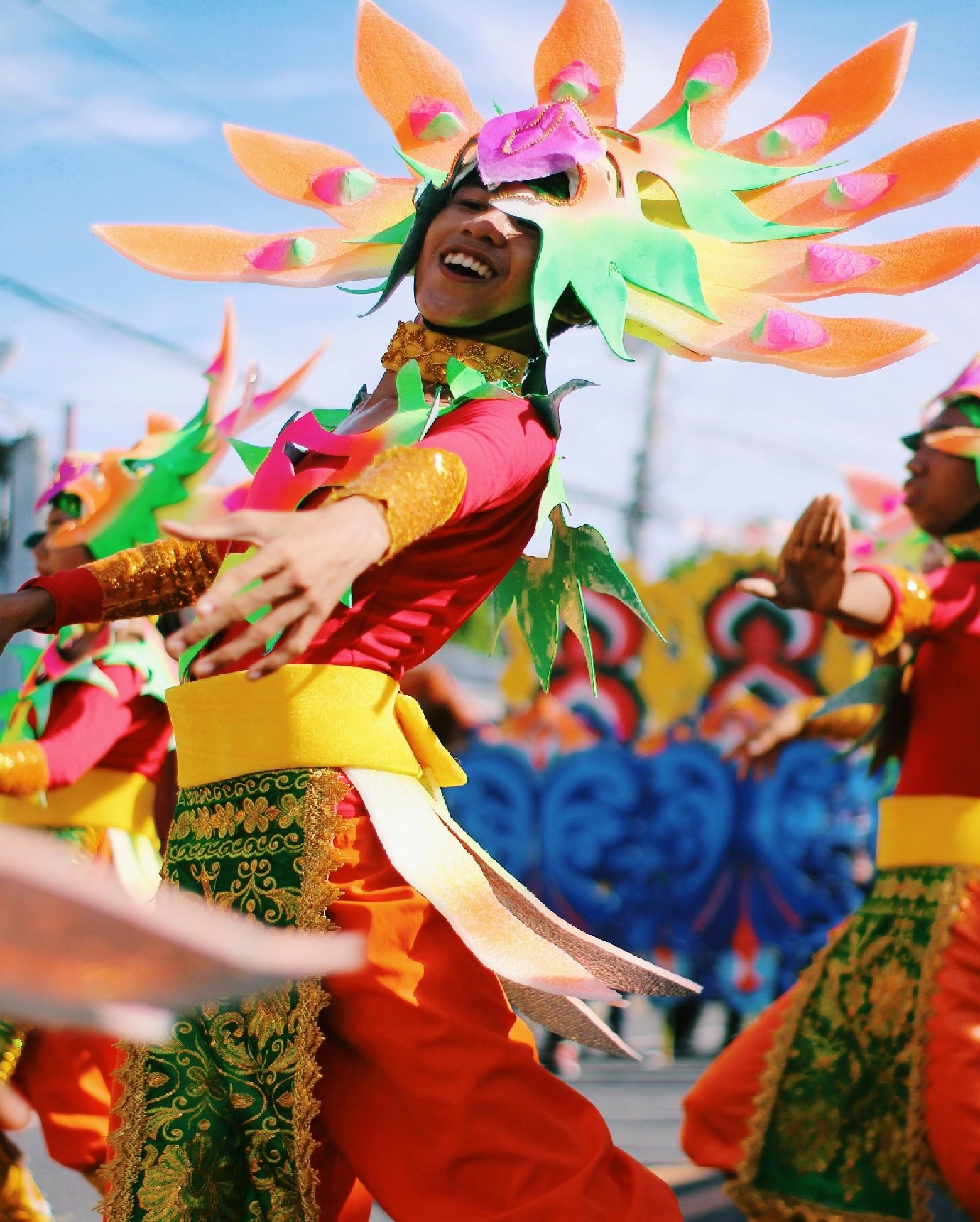
Dance and music have always been deeply intertwined, especially when it comes to folk music. Folk music, rooted in the cultural traditions of a particular region or community, serves as the rhythmic and melodic backdrop for traditional dances that have been passed down through generations.
In many cultures around the world, folk music is a vital part of social gatherings and celebrations, providing a sense of unity and connection among participants. The lively and infectious tunes of folk music often compel people to get up and dance, moving in sync with the music and expressing their joy and emotions through movement.
Folk dances are often characterized by their vibrant, energetic movements that are intricately linked to the rhythms and melodies of the accompanying music. From the Irish jig to the Brazilian samba, folk dances vary widely in style and technique, reflecting the unique cultural heritage of the communities from which they originate.
One of the key features of folk music is its accessibility and inclusivity – it is meant to be shared and enjoyed by all, regardless of age, background, or experience. Whether it's a lively barn dance in the American Midwest or a traditional flamenco performance in Spain, folk music brings people together and fosters a sense of community and belonging.
Furthermore, folk music serves as a cultural treasure trove, preserving and showcasing the rich traditions and histories of different societies. Through songs and dances passed down through generations, folk music acts as a bridge between the past and the present, allowing us to connect with our roots and appreciate the artistry and creativity of our ancestors.
So the next time you hear the lilting melodies and infectious rhythms of folk music, don't be afraid to join in the dance. Let the music guide your movements and immerse yourself in the rich tapestry of culture and tradition that folk music has to offer.
Leave a Comment:
SEARCH
Recent News
- Zurich, Switzerland is a city known for its stunning landscapes, charming streets, and vibrant culture. One of the many delights of visiting Zurich is the opportunity to explore its unique shopping scene. For those looking to add a touch of luxury and warmth to their wardrobe, Zurich is the perfect place to discover exquisite wool stoles.
- Winter in Zurich, Switzerland is a magical time of year when snow-capped mountains, charming Christmas markets, and cozy cafes create a picturesque scene straight out of a fairytale. As the temperatures drop and the city prepares for the festive season, one essential accessory that both locals and visitors alike reach for to stay warm and stylish is a winter stole.
- Zurich, Switzerland: A Haven for Wildlife Conservation
- Zurich, Switzerland, and Vancouver, Canada, are two bustling cities known for their thriving startup scenes. In this blog post, we will take a closer look at some of the top startups making waves in each city.
- Zurich, Switzerland and Vancouver, Canada: A Comparison of Import and Export Opportunities
- Zurich, Switzerland and Vancouver, Canada are two vibrant cities with distinct characteristics that make them stand out in their respective regions. While Zurich is known for its financial prowess and high quality of life, Vancouver is a bustling hub of business and innovation on the west coast of Canada. Let's take a closer look at how these two cities compare in terms of their business environments.
- Zurich, Switzerland and Vancouver, Canada are both vibrant cities known for their strong economies and diverse job markets. In this article, we explore some of the best companies to work for in these two cities, highlighting their unique offerings and what makes them stand out in their respective industries.
- Located in the heart of Switzerland, Zurich is known for its stunning natural beauty, bustling city life, and thriving business environment. The city attracts businesses from all over the world, thanks to its robust infrastructure, highly skilled workforce, and favorable economic policies. For UK businesses looking to expand or set up operations in Zurich, there are a number of government business support programs available to help navigate the process.
READ MORE
11 months ago Category :

Zurich, Switzerland is a city known for its stunning landscapes, charming streets, and vibrant culture. One of the many delights of visiting Zurich is the opportunity to explore its unique shopping scene. For those looking to add a touch of luxury and warmth to their wardrobe, Zurich is the perfect place to discover exquisite wool stoles.
Read More →11 months ago Category :

Winter in Zurich, Switzerland is a magical time of year when snow-capped mountains, charming Christmas markets, and cozy cafes create a picturesque scene straight out of a fairytale. As the temperatures drop and the city prepares for the festive season, one essential accessory that both locals and visitors alike reach for to stay warm and stylish is a winter stole.
Read More →11 months ago Category :

Zurich, Switzerland: A Haven for Wildlife Conservation
Read More →11 months ago Category :
