Dance and music are deeply intertwined art forms that have been a part of human culture for centuries. Across different cultures, unique rhythmic patterns and movements have evolved, shaping the identity and traditions of communities around the world. In this blog post, we will delve into the cultural rhythms of dance and music, exploring how they have played a vital role in preserving and passing on cultural heritage.
Category : Dance Music en | Sub Category : Cultural Rhythms Posted on 2023-07-07 21:24:53
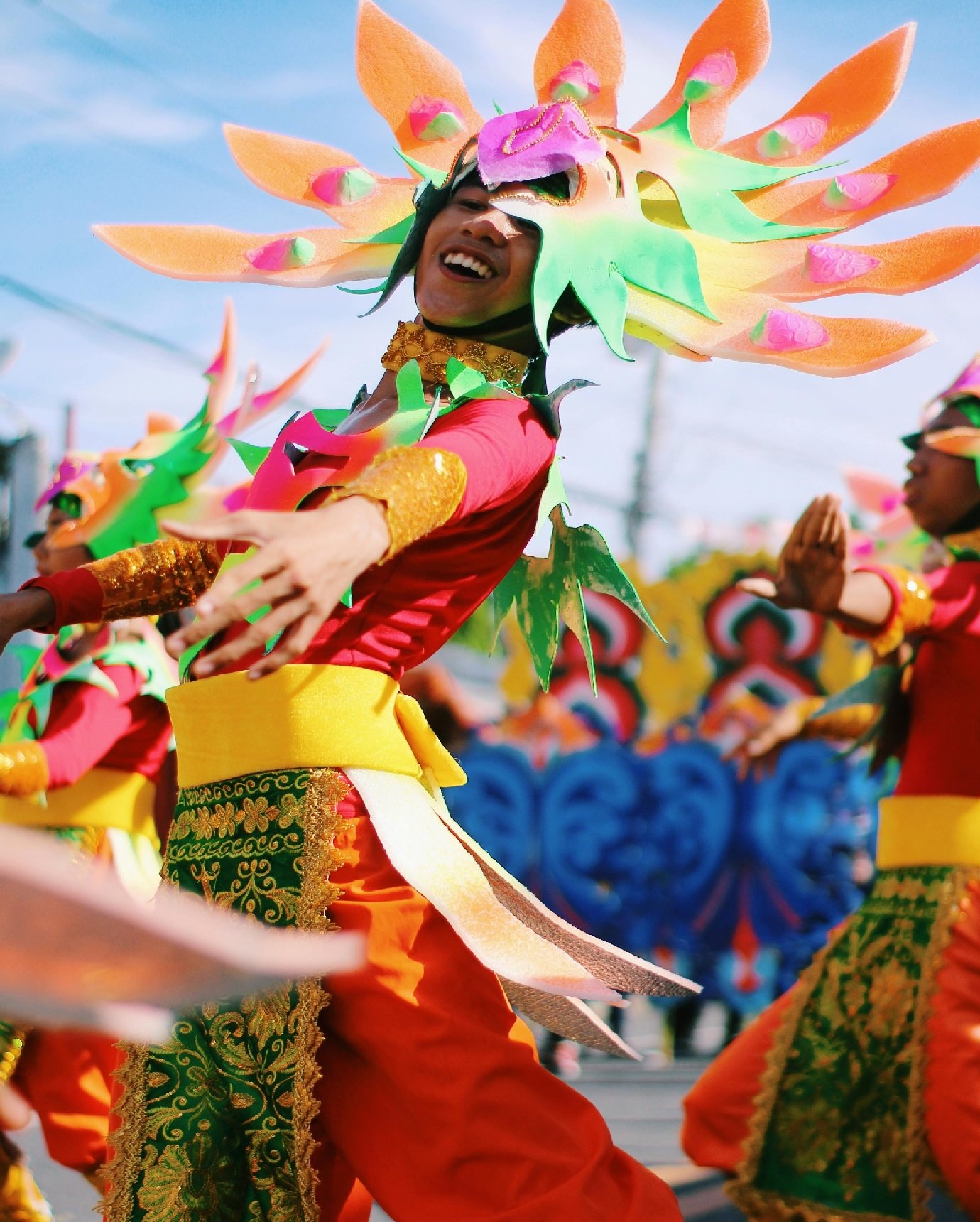
Dance and music are deeply intertwined art forms that have been a part of human culture for centuries. Across different cultures, unique rhythmic patterns and movements have evolved, shaping the identity and traditions of communities around the world. In this blog post, we will delve into the cultural rhythms of dance and music, exploring how they have played a vital role in preserving and passing on cultural heritage.
One of the most fascinating aspects of dance and music is how they reflect the cultural identity of a society. Every culture has its own distinct rhythms and melodies that are passed down through generations. These rhythms are not just about the beats and notes but also embody the history, beliefs, and values of a community. For example, the lively and energetic rhythms of African dance and music celebrate the rich traditions and spiritual beliefs of the continent, while the intricate footwork of flamenco in Spain reflects the passionate and vibrant nature of the culture.
Moreover, cultural rhythms in dance and music serve as a form of storytelling, conveying narratives and emotions without the need for words. Traditional dances often depict myths, legends, and daily activities, providing a visual and auditory link to the past. Through movements and music, dancers and musicians can express joy, sorrow, love, and various other human emotions, creating a powerful connection with the audience and participants.
Additionally, cultural rhythms in dance and music play a crucial role in preserving and promoting cultural heritage. In many communities, traditional dances and musical performances are considered sacred rituals that are performed during ceremonies, festivals, and other significant events. By participating in these cultural practices, people not only strengthen their sense of identity and belonging but also ensure that these art forms are passed on to future generations.
Furthermore, the fusion of different cultural rhythms has led to the emergence of new and innovative art forms. In today's globalized world, artists often draw inspiration from diverse traditions, blending various styles and rhythms to create unique expressions. This cross-cultural exchange not only enriches the artistic landscape but also fosters understanding and appreciation among different communities.
In conclusion, dance and music are powerful forms of expression that have the ability to transcend language and boundaries. The cultural rhythms found in these art forms are a testament to the rich diversity of human civilization and serve as a bridge between the past and the present. By celebrating and sharing these rhythms, we can ensure that our cultural heritage continues to thrive and evolve for generations to come.
Leave a Comment:
SEARCH
Recent News
- Zurich, Switzerland is a city known for its stunning landscapes, charming streets, and vibrant culture. One of the many delights of visiting Zurich is the opportunity to explore its unique shopping scene. For those looking to add a touch of luxury and warmth to their wardrobe, Zurich is the perfect place to discover exquisite wool stoles.
- Winter in Zurich, Switzerland is a magical time of year when snow-capped mountains, charming Christmas markets, and cozy cafes create a picturesque scene straight out of a fairytale. As the temperatures drop and the city prepares for the festive season, one essential accessory that both locals and visitors alike reach for to stay warm and stylish is a winter stole.
- Zurich, Switzerland: A Haven for Wildlife Conservation
- Zurich, Switzerland, and Vancouver, Canada, are two bustling cities known for their thriving startup scenes. In this blog post, we will take a closer look at some of the top startups making waves in each city.
- Zurich, Switzerland and Vancouver, Canada: A Comparison of Import and Export Opportunities
- Zurich, Switzerland and Vancouver, Canada are two vibrant cities with distinct characteristics that make them stand out in their respective regions. While Zurich is known for its financial prowess and high quality of life, Vancouver is a bustling hub of business and innovation on the west coast of Canada. Let's take a closer look at how these two cities compare in terms of their business environments.
- Zurich, Switzerland and Vancouver, Canada are both vibrant cities known for their strong economies and diverse job markets. In this article, we explore some of the best companies to work for in these two cities, highlighting their unique offerings and what makes them stand out in their respective industries.
- Located in the heart of Switzerland, Zurich is known for its stunning natural beauty, bustling city life, and thriving business environment. The city attracts businesses from all over the world, thanks to its robust infrastructure, highly skilled workforce, and favorable economic policies. For UK businesses looking to expand or set up operations in Zurich, there are a number of government business support programs available to help navigate the process.
READ MORE
11 months ago Category :

Zurich, Switzerland is a city known for its stunning landscapes, charming streets, and vibrant culture. One of the many delights of visiting Zurich is the opportunity to explore its unique shopping scene. For those looking to add a touch of luxury and warmth to their wardrobe, Zurich is the perfect place to discover exquisite wool stoles.
Read More →11 months ago Category :

Winter in Zurich, Switzerland is a magical time of year when snow-capped mountains, charming Christmas markets, and cozy cafes create a picturesque scene straight out of a fairytale. As the temperatures drop and the city prepares for the festive season, one essential accessory that both locals and visitors alike reach for to stay warm and stylish is a winter stole.
Read More →11 months ago Category :

Zurich, Switzerland: A Haven for Wildlife Conservation
Read More →11 months ago Category :
