Exploring the Vibrant Blanke Primary Election Timeline Cultures
Category : | Sub Category : Posted on 2024-10-05 22:25:23
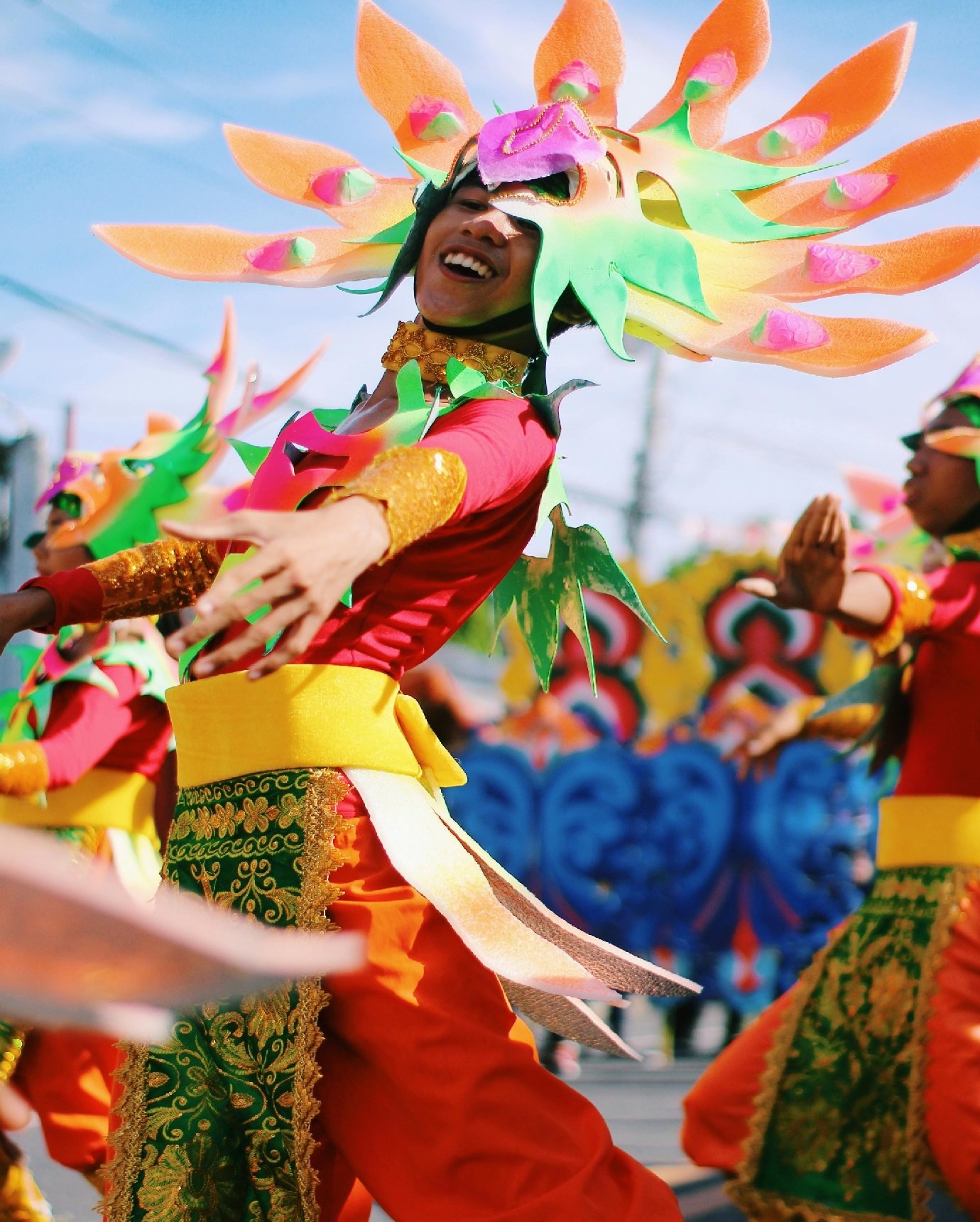
Blanket primary elections are a unique and fascinating aspect of the American political system, allowing voters to cast ballots for candidates from any party regardless of their own party affiliation. This process has evolved over time, with each state implementing its own rules and regulations regarding blanket primaries. In this blog post, we will delve into the vibrant cultures surrounding blanket primary elections and how they shape the political landscape. The timeline leading up to a blanket primary election is filled with anticipation and excitement as candidates campaign vigorously to garner support from a diverse group of voters. From town hall meetings to rallies and debates, politicians engage with the community on a personal level, sharing their platforms and visions for the future. This interaction fosters a sense of connection between candidates and voters, allowing for a more informed decision-making process on election day. One of the key features of blanket primaries is the inclusivity they provide to voters. Unlike closed primaries where only registered party members can participate, blanket primaries welcome all voters, regardless of their affiliation. This results in a more diverse pool of candidates vying for the nomination, leading to a richer and more representative political landscape. The cultural aspect of blanket primary elections is evident in the way communities come together to participate in the democratic process. Whether through volunteering for a campaign, attending political events, or engaging in discussions with neighbors, individuals are actively involved in shaping the future of their region. This sense of civic duty and engagement contributes to a vibrant and dynamic political culture that is unique to each state. Furthermore, the competitive nature of blanket primaries fosters spirited debates and discussions on key issues facing society. Candidates are forced to articulate their positions clearly and defend them against opposing viewpoints, leading to a more informed electorate. This exchange of ideas contributes to a healthier political discourse and encourages voters to critically evaluate the policies and promises put forth by candidates. In conclusion, blanket primary election timeline cultures play a significant role in shaping the political landscape of the United States. From the lively campaign trails to the inclusive voting process, these cultures promote civic engagement, diversity, and informed decision-making. As we continue to participate in blanket primaries, let us embrace the rich tapestry of cultures that make our democracy vibrant and resilient.
Leave a Comment:
SEARCH
Recent News
- Zurich, Switzerland is a city known for its stunning landscapes, charming streets, and vibrant culture. One of the many delights of visiting Zurich is the opportunity to explore its unique shopping scene. For those looking to add a touch of luxury and warmth to their wardrobe, Zurich is the perfect place to discover exquisite wool stoles.
- Winter in Zurich, Switzerland is a magical time of year when snow-capped mountains, charming Christmas markets, and cozy cafes create a picturesque scene straight out of a fairytale. As the temperatures drop and the city prepares for the festive season, one essential accessory that both locals and visitors alike reach for to stay warm and stylish is a winter stole.
- Zurich, Switzerland: A Haven for Wildlife Conservation
- Zurich, Switzerland, and Vancouver, Canada, are two bustling cities known for their thriving startup scenes. In this blog post, we will take a closer look at some of the top startups making waves in each city.
- Zurich, Switzerland and Vancouver, Canada: A Comparison of Import and Export Opportunities
- Zurich, Switzerland and Vancouver, Canada are two vibrant cities with distinct characteristics that make them stand out in their respective regions. While Zurich is known for its financial prowess and high quality of life, Vancouver is a bustling hub of business and innovation on the west coast of Canada. Let's take a closer look at how these two cities compare in terms of their business environments.
- Zurich, Switzerland and Vancouver, Canada are both vibrant cities known for their strong economies and diverse job markets. In this article, we explore some of the best companies to work for in these two cities, highlighting their unique offerings and what makes them stand out in their respective industries.
- Located in the heart of Switzerland, Zurich is known for its stunning natural beauty, bustling city life, and thriving business environment. The city attracts businesses from all over the world, thanks to its robust infrastructure, highly skilled workforce, and favorable economic policies. For UK businesses looking to expand or set up operations in Zurich, there are a number of government business support programs available to help navigate the process.
READ MORE
11 months ago Category :

Zurich, Switzerland is a city known for its stunning landscapes, charming streets, and vibrant culture. One of the many delights of visiting Zurich is the opportunity to explore its unique shopping scene. For those looking to add a touch of luxury and warmth to their wardrobe, Zurich is the perfect place to discover exquisite wool stoles.
Read More →11 months ago Category :

Winter in Zurich, Switzerland is a magical time of year when snow-capped mountains, charming Christmas markets, and cozy cafes create a picturesque scene straight out of a fairytale. As the temperatures drop and the city prepares for the festive season, one essential accessory that both locals and visitors alike reach for to stay warm and stylish is a winter stole.
Read More →11 months ago Category :

Zurich, Switzerland: A Haven for Wildlife Conservation
Read More →11 months ago Category :
