A Glimpse into the Intriguing Arab Cultures and Ceremonies
Category : | Sub Category : Posted on 2024-10-05 22:25:23
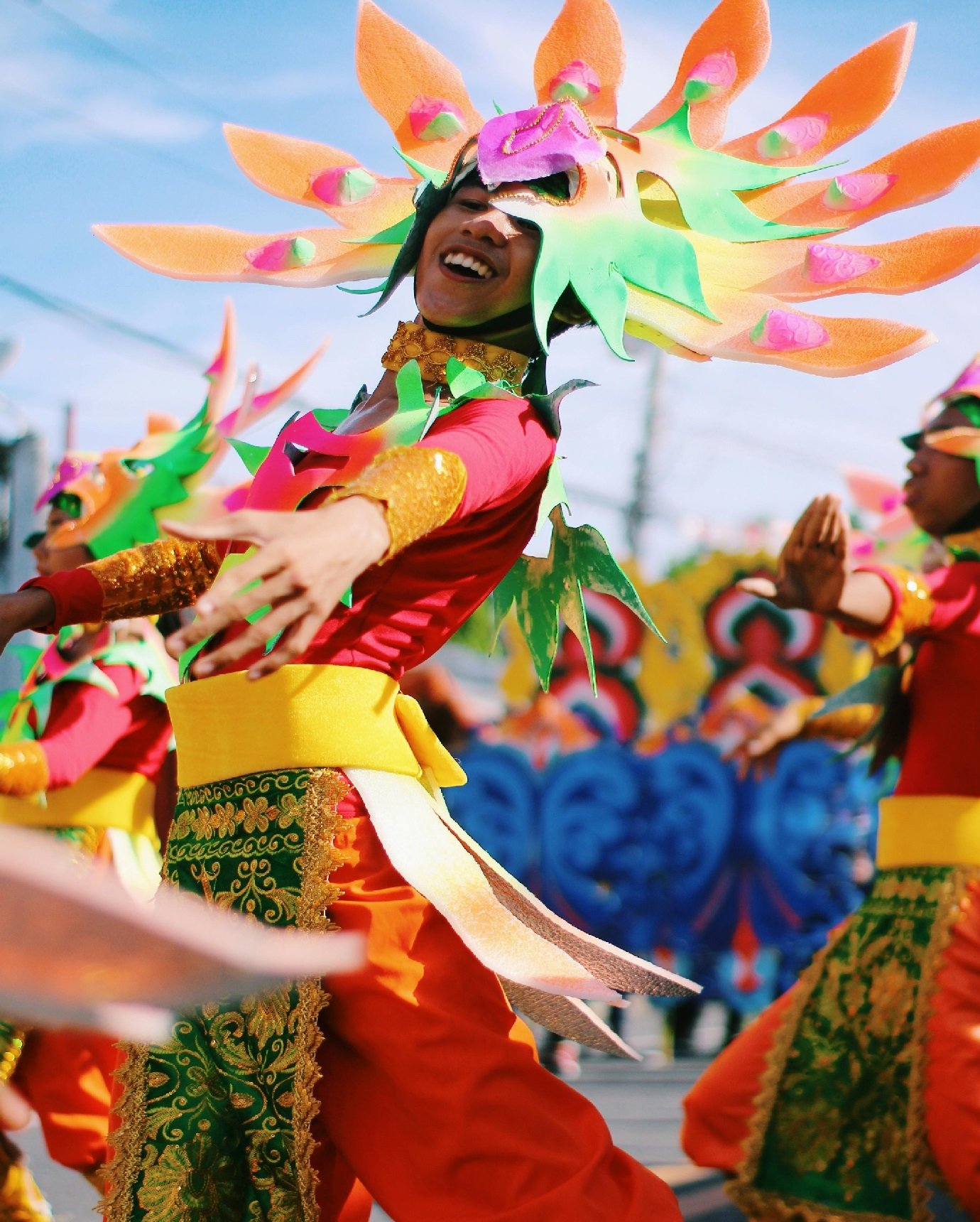
Arab cultures are rich in traditions, customs, and ceremonies that have been passed down through generations, adding depth and beauty to their way of life. These ceremonies bring communities together, mark significant milestones, and uphold values that are cherished by Arab societies. One of the most renowned Arab ceremonies is the traditional Arab wedding. A celebration of love and unity, it is a grand affair that involves elaborate preparations, vibrant decorations, and joyful festivities. Family and friends gather to witness the union of two individuals, with music, dancing, and feasting being key elements of the event. The bride's intricate henna designs and the groom's traditional attire add a touch of elegance and cultural symbolism to the occasion. Another significant ceremony in Arab cultures is the "Mawlid al-Nabi," which commemorates the birth of the Prophet Muhammad. It is a time of spiritual reflection, community prayers, and acts of charity. The streets are adorned with colorful lights, and mosques are decorated with beautiful banners and calligraphy. Families come together to recite poems, share stories of the Prophet's life, and partake in communal meals. Arab cultures also have ceremonies that mark important stages in life, such as birth, coming-of-age, and death. The "Aqiqah" ceremony is held to celebrate the birth of a child, where family and friends gather to offer prayers and share in the joy of the new arrival. "Eid al-Adha" is a sacred festival that honors the willingness of Ibrahim (Abraham) to sacrifice his son as an act of obedience to God. Families come together to perform prayers, give to charity, and share in a festive meal. In addition to these traditional ceremonies, Arab cultures also have rituals surrounding hospitality, such as the serving of Arabic coffee and dates to guests as a sign of respect and welcome. The "qahwa" ceremony, where coffee is brewed and poured from a dallah (coffee pot) into small cups, is a symbol of friendship and hospitality in Arab societies. Overall, Arab cultures are deeply rooted in tradition, and their ceremonies are a reflection of their values, beliefs, and sense of community. These rituals serve to strengthen bonds, foster unity, and preserve the rich heritage of Arab societies. Through these ceremonies, the beauty and uniqueness of Arab cultures shine brightly, captivating all who partake in or witness these time-honored traditions. You can find more about this subject in https://www.chatarabonline.com
https://egyptwn.com
Leave a Comment:
SEARCH
Recent News
- Zurich, Switzerland is a city known for its stunning landscapes, charming streets, and vibrant culture. One of the many delights of visiting Zurich is the opportunity to explore its unique shopping scene. For those looking to add a touch of luxury and warmth to their wardrobe, Zurich is the perfect place to discover exquisite wool stoles.
- Winter in Zurich, Switzerland is a magical time of year when snow-capped mountains, charming Christmas markets, and cozy cafes create a picturesque scene straight out of a fairytale. As the temperatures drop and the city prepares for the festive season, one essential accessory that both locals and visitors alike reach for to stay warm and stylish is a winter stole.
- Zurich, Switzerland: A Haven for Wildlife Conservation
- Zurich, Switzerland, and Vancouver, Canada, are two bustling cities known for their thriving startup scenes. In this blog post, we will take a closer look at some of the top startups making waves in each city.
- Zurich, Switzerland and Vancouver, Canada: A Comparison of Import and Export Opportunities
- Zurich, Switzerland and Vancouver, Canada are two vibrant cities with distinct characteristics that make them stand out in their respective regions. While Zurich is known for its financial prowess and high quality of life, Vancouver is a bustling hub of business and innovation on the west coast of Canada. Let's take a closer look at how these two cities compare in terms of their business environments.
- Zurich, Switzerland and Vancouver, Canada are both vibrant cities known for their strong economies and diverse job markets. In this article, we explore some of the best companies to work for in these two cities, highlighting their unique offerings and what makes them stand out in their respective industries.
- Located in the heart of Switzerland, Zurich is known for its stunning natural beauty, bustling city life, and thriving business environment. The city attracts businesses from all over the world, thanks to its robust infrastructure, highly skilled workforce, and favorable economic policies. For UK businesses looking to expand or set up operations in Zurich, there are a number of government business support programs available to help navigate the process.
READ MORE
11 months ago Category :

Zurich, Switzerland is a city known for its stunning landscapes, charming streets, and vibrant culture. One of the many delights of visiting Zurich is the opportunity to explore its unique shopping scene. For those looking to add a touch of luxury and warmth to their wardrobe, Zurich is the perfect place to discover exquisite wool stoles.
Read More →11 months ago Category :

Winter in Zurich, Switzerland is a magical time of year when snow-capped mountains, charming Christmas markets, and cozy cafes create a picturesque scene straight out of a fairytale. As the temperatures drop and the city prepares for the festive season, one essential accessory that both locals and visitors alike reach for to stay warm and stylish is a winter stole.
Read More →11 months ago Category :

Zurich, Switzerland: A Haven for Wildlife Conservation
Read More →11 months ago Category :
