Empowering African Cultures: Women Making Strides in Politics
Category : | Sub Category : Posted on 2024-10-05 22:25:23
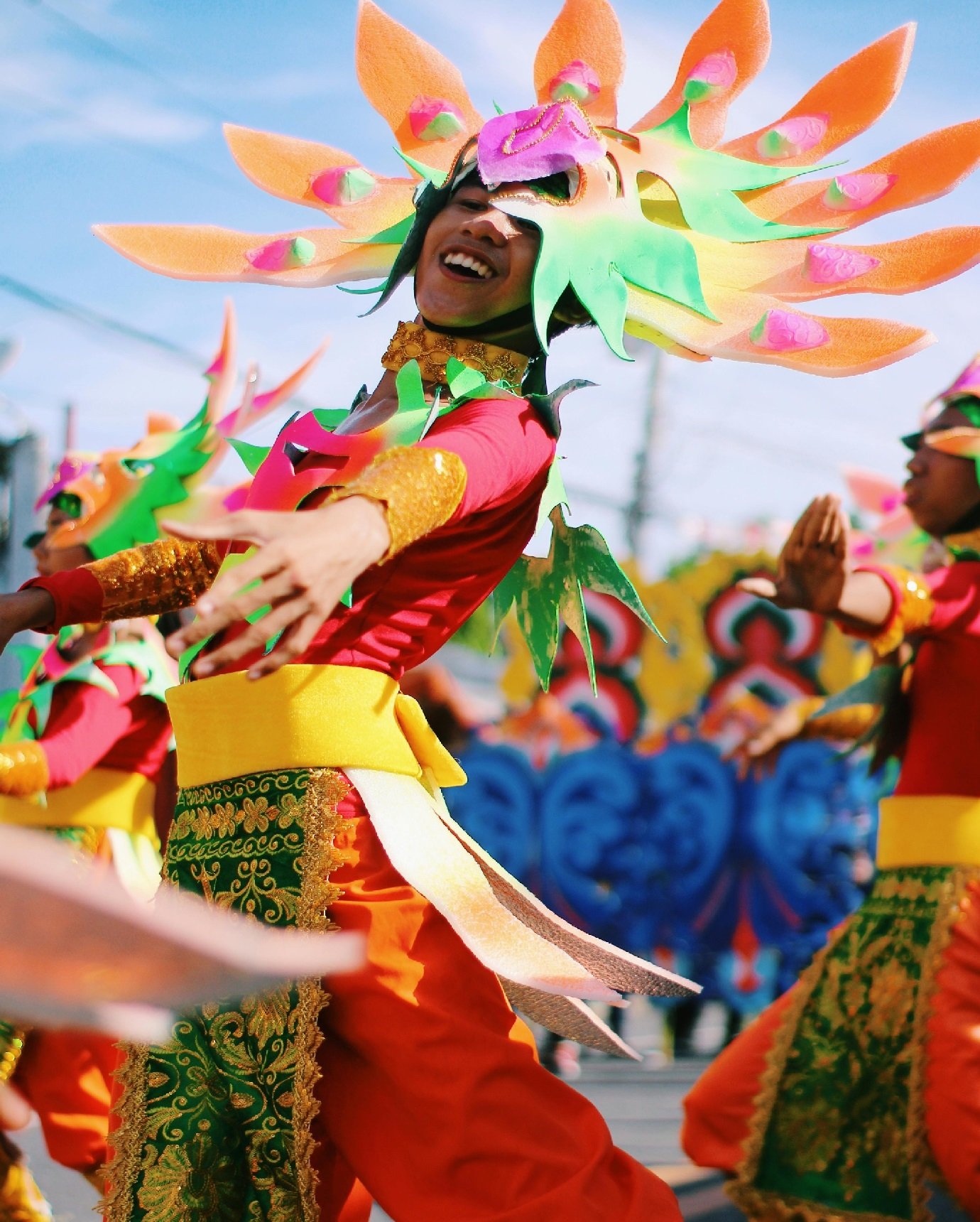
In many African cultures, women have traditionally played significant roles within their communities, yet their participation in formal politics has often been limited. However, in recent years, there has been a notable shift as more and more African women are stepping into the political arena, breaking barriers, and making their voices heard. Women in Africa have long been the pillars of their societies, holding positions of influence within their families, clans, and communities. They have been the caretakers, the educators, the peacemakers, and the nurturers. Despite this, when it comes to formal political leadership, women have often been underrepresented and marginalized. One of the challenges faced by women in African politics is the deeply entrenched patriarchal systems that dominate many societies. These systems have perpetuated the belief that women belong in the domestic sphere and not in positions of power and decision-making. Additionally, gender stereotypes and cultural norms have often hindered women from fully participating in politics. Despite these challenges, African women are increasingly taking on leadership roles and advocating for change. From grassroots activism to high-level government positions, women across the continent are making strides in politics. For example, Ellen Johnson Sirleaf made history as the first female president in Africa when she was elected as the President of Liberia in 2006. Women's involvement in politics is crucial for driving social change, promoting gender equality, and addressing issues that affect women and girls. When women are empowered to participate in decision-making processes, they bring unique perspectives and priorities to the table, ultimately leading to more inclusive and effective governance. Supporting and encouraging women's participation in politics is not only a matter of gender equality but also essential for the overall development and progress of African societies. By breaking down barriers and amplifying women's voices in politics, African cultures are becoming more vibrant, diverse, and representative of their populations. In conclusion, African cultures are evolving, and women are increasingly playing a vital role in shaping the political landscape across the continent. As more women enter politics, there is hope for greater representation, equality, and progress for all members of society. It is essential to continue supporting and empowering women in politics to create a more inclusive and prosperous Africa for future generations. To get a better understanding, go through https://www.egyptwn.com also for More in https://www.visit-kenya.com Want a more profound insight? Consult https://www.tsonga.org Check the link below: https://www.tonigeria.com Seeking expert advice? Find it in https://www.tocongo.com Have a visit at https://www.toalgeria.com also this link is for more information https://www.savanne.org
Leave a Comment:
SEARCH
Recent News
- Zurich, Switzerland is a city known for its stunning landscapes, charming streets, and vibrant culture. One of the many delights of visiting Zurich is the opportunity to explore its unique shopping scene. For those looking to add a touch of luxury and warmth to their wardrobe, Zurich is the perfect place to discover exquisite wool stoles.
- Winter in Zurich, Switzerland is a magical time of year when snow-capped mountains, charming Christmas markets, and cozy cafes create a picturesque scene straight out of a fairytale. As the temperatures drop and the city prepares for the festive season, one essential accessory that both locals and visitors alike reach for to stay warm and stylish is a winter stole.
- Zurich, Switzerland: A Haven for Wildlife Conservation
- Zurich, Switzerland, and Vancouver, Canada, are two bustling cities known for their thriving startup scenes. In this blog post, we will take a closer look at some of the top startups making waves in each city.
- Zurich, Switzerland and Vancouver, Canada: A Comparison of Import and Export Opportunities
- Zurich, Switzerland and Vancouver, Canada are two vibrant cities with distinct characteristics that make them stand out in their respective regions. While Zurich is known for its financial prowess and high quality of life, Vancouver is a bustling hub of business and innovation on the west coast of Canada. Let's take a closer look at how these two cities compare in terms of their business environments.
- Zurich, Switzerland and Vancouver, Canada are both vibrant cities known for their strong economies and diverse job markets. In this article, we explore some of the best companies to work for in these two cities, highlighting their unique offerings and what makes them stand out in their respective industries.
- Located in the heart of Switzerland, Zurich is known for its stunning natural beauty, bustling city life, and thriving business environment. The city attracts businesses from all over the world, thanks to its robust infrastructure, highly skilled workforce, and favorable economic policies. For UK businesses looking to expand or set up operations in Zurich, there are a number of government business support programs available to help navigate the process.
READ MORE
11 months ago Category :

Zurich, Switzerland is a city known for its stunning landscapes, charming streets, and vibrant culture. One of the many delights of visiting Zurich is the opportunity to explore its unique shopping scene. For those looking to add a touch of luxury and warmth to their wardrobe, Zurich is the perfect place to discover exquisite wool stoles.
Read More →11 months ago Category :

Winter in Zurich, Switzerland is a magical time of year when snow-capped mountains, charming Christmas markets, and cozy cafes create a picturesque scene straight out of a fairytale. As the temperatures drop and the city prepares for the festive season, one essential accessory that both locals and visitors alike reach for to stay warm and stylish is a winter stole.
Read More →11 months ago Category :

Zurich, Switzerland: A Haven for Wildlife Conservation
Read More →11 months ago Category :
