Embracing Diversity: Promoting Equality and Equity in African Cultures
Category : | Sub Category : Posted on 2024-10-05 22:25:23
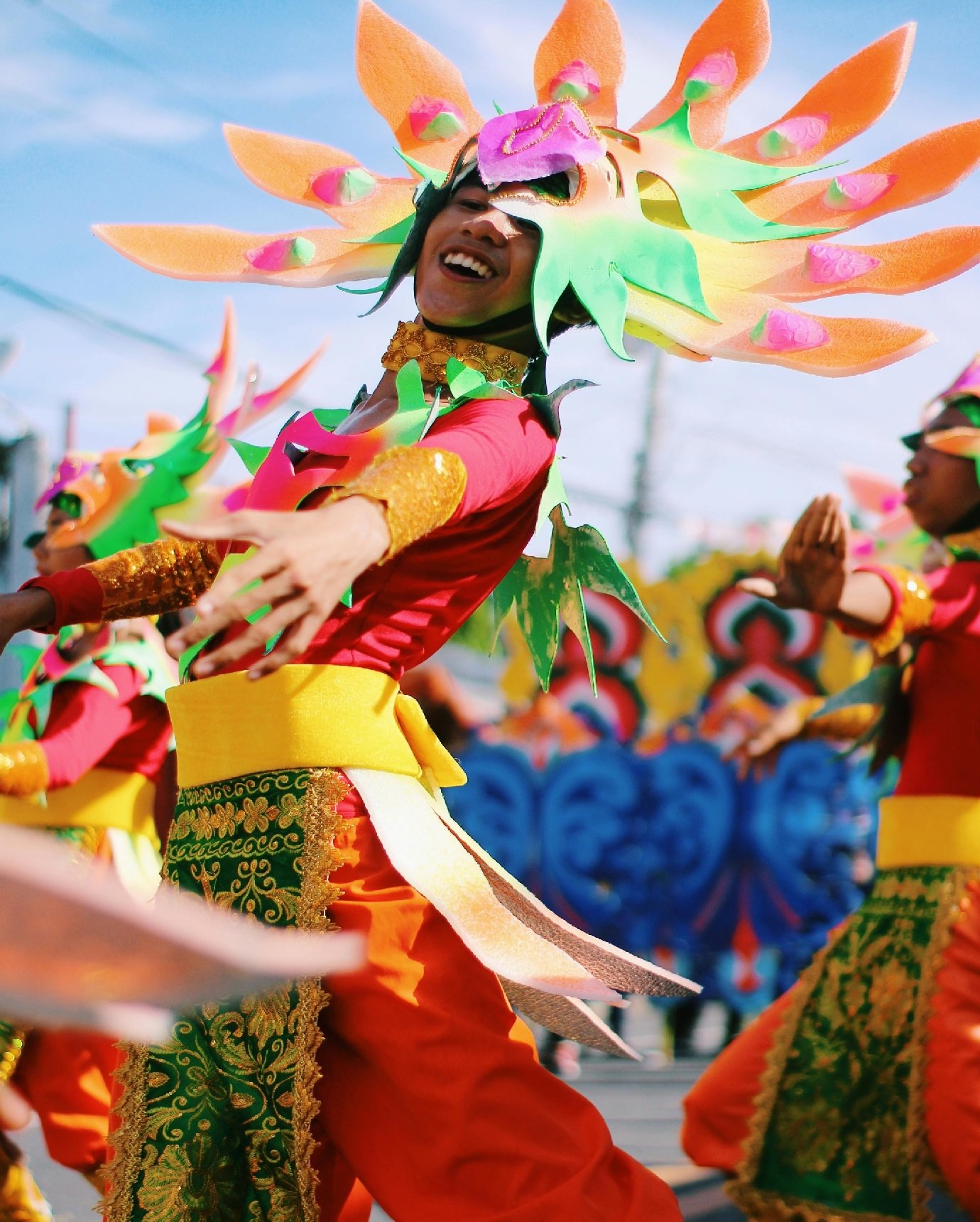
Africa is a continent rich in diversity, boasting a plethora of vibrant cultures, languages, and traditions. Within this diverse tapestry, the concepts of equality and equity hold significant importance, shaping the social fabric of numerous African societies. As the world progresses towards a more inclusive future, it becomes imperative to explore how African cultures are championing these values. Equality and equity are often used interchangeably, but they hold distinct meanings. Equality refers to the state of being equal, especially in status, rights, and opportunities. On the other hand, equity goes beyond mere equality by ensuring fairness and justice in the distribution of resources and opportunities, taking into account individual needs and circumstances. In many African cultures, the principles of equality and equity are deeply ingrained in societal norms and practices. Traditional African societies often place high value on communal living, where the well-being of the community is prioritized over individual gains. This collectivist outlook fosters a sense of kinship and interconnectedness, leading to the sharing of resources and responsibilities among community members. Moreover, African cultures are known for their rich oral traditions, storytelling, and proverbs, which often convey moral lessons about fairness, justice, and respect for all individuals. These narratives serve as a powerful tool for passing down values of equality and equity from generation to generation. Despite these inherent values, challenges persist in achieving full equality and equity in African societies. Gender inequality, unequal access to education and healthcare, and discrimination based on ethnicity or social status are issues that continue to plague many communities across the continent. Efforts to address these disparities require a multi-faceted approach that involves government interventions, community engagement, and grassroots initiatives. In recent years, there has been a growing movement towards promoting gender equality and women's empowerment in Africa. Countries like Rwanda have made significant strides in closing the gender gap in politics and business leadership, serving as a beacon of progress for other nations to emulate. Grassroots organizations and advocacy groups are also working tirelessly to combat social injustices and promote inclusivity in various sectors. Education plays a pivotal role in promoting equality and equity in African societies. By providing quality education to all individuals, regardless of their background, countries can empower their citizens to reach their full potential and contribute meaningfully to society. Furthermore, education serves as a catalyst for dismantling stereotypes and promoting mutual understanding among diverse groups. As we look towards the future, it is essential for African cultures to continue embracing the values of equality and equity to build a more just and inclusive society. By celebrating diversity, fostering empathy, and advocating for the rights of all individuals, African communities can pave the way for a brighter tomorrow for generations to come. Together, we can shape a world where everyone is valued, respected, and afforded equal opportunities to thrive. Discover more about this topic through https://www.tsonga.org To gain a holistic understanding, refer to https://www.tonigeria.com Seeking answers? You might find them in https://www.tocongo.com For a fresh perspective, give the following a read https://www.toalgeria.com Have a look at https://www.savanne.org
Leave a Comment:
SEARCH
Recent News
- Zurich, Switzerland is a city known for its stunning landscapes, charming streets, and vibrant culture. One of the many delights of visiting Zurich is the opportunity to explore its unique shopping scene. For those looking to add a touch of luxury and warmth to their wardrobe, Zurich is the perfect place to discover exquisite wool stoles.
- Winter in Zurich, Switzerland is a magical time of year when snow-capped mountains, charming Christmas markets, and cozy cafes create a picturesque scene straight out of a fairytale. As the temperatures drop and the city prepares for the festive season, one essential accessory that both locals and visitors alike reach for to stay warm and stylish is a winter stole.
- Zurich, Switzerland: A Haven for Wildlife Conservation
- Zurich, Switzerland, and Vancouver, Canada, are two bustling cities known for their thriving startup scenes. In this blog post, we will take a closer look at some of the top startups making waves in each city.
- Zurich, Switzerland and Vancouver, Canada: A Comparison of Import and Export Opportunities
- Zurich, Switzerland and Vancouver, Canada are two vibrant cities with distinct characteristics that make them stand out in their respective regions. While Zurich is known for its financial prowess and high quality of life, Vancouver is a bustling hub of business and innovation on the west coast of Canada. Let's take a closer look at how these two cities compare in terms of their business environments.
- Zurich, Switzerland and Vancouver, Canada are both vibrant cities known for their strong economies and diverse job markets. In this article, we explore some of the best companies to work for in these two cities, highlighting their unique offerings and what makes them stand out in their respective industries.
- Located in the heart of Switzerland, Zurich is known for its stunning natural beauty, bustling city life, and thriving business environment. The city attracts businesses from all over the world, thanks to its robust infrastructure, highly skilled workforce, and favorable economic policies. For UK businesses looking to expand or set up operations in Zurich, there are a number of government business support programs available to help navigate the process.
READ MORE
11 months ago Category :

Zurich, Switzerland is a city known for its stunning landscapes, charming streets, and vibrant culture. One of the many delights of visiting Zurich is the opportunity to explore its unique shopping scene. For those looking to add a touch of luxury and warmth to their wardrobe, Zurich is the perfect place to discover exquisite wool stoles.
Read More →11 months ago Category :

Winter in Zurich, Switzerland is a magical time of year when snow-capped mountains, charming Christmas markets, and cozy cafes create a picturesque scene straight out of a fairytale. As the temperatures drop and the city prepares for the festive season, one essential accessory that both locals and visitors alike reach for to stay warm and stylish is a winter stole.
Read More →11 months ago Category :

Zurich, Switzerland: A Haven for Wildlife Conservation
Read More →11 months ago Category :
