Cultural Icons: Symbols that Define a Society
Category : Cultural Symbols Icons en | Sub Category : Cultural Icons Posted on 2023-07-07 21:24:53
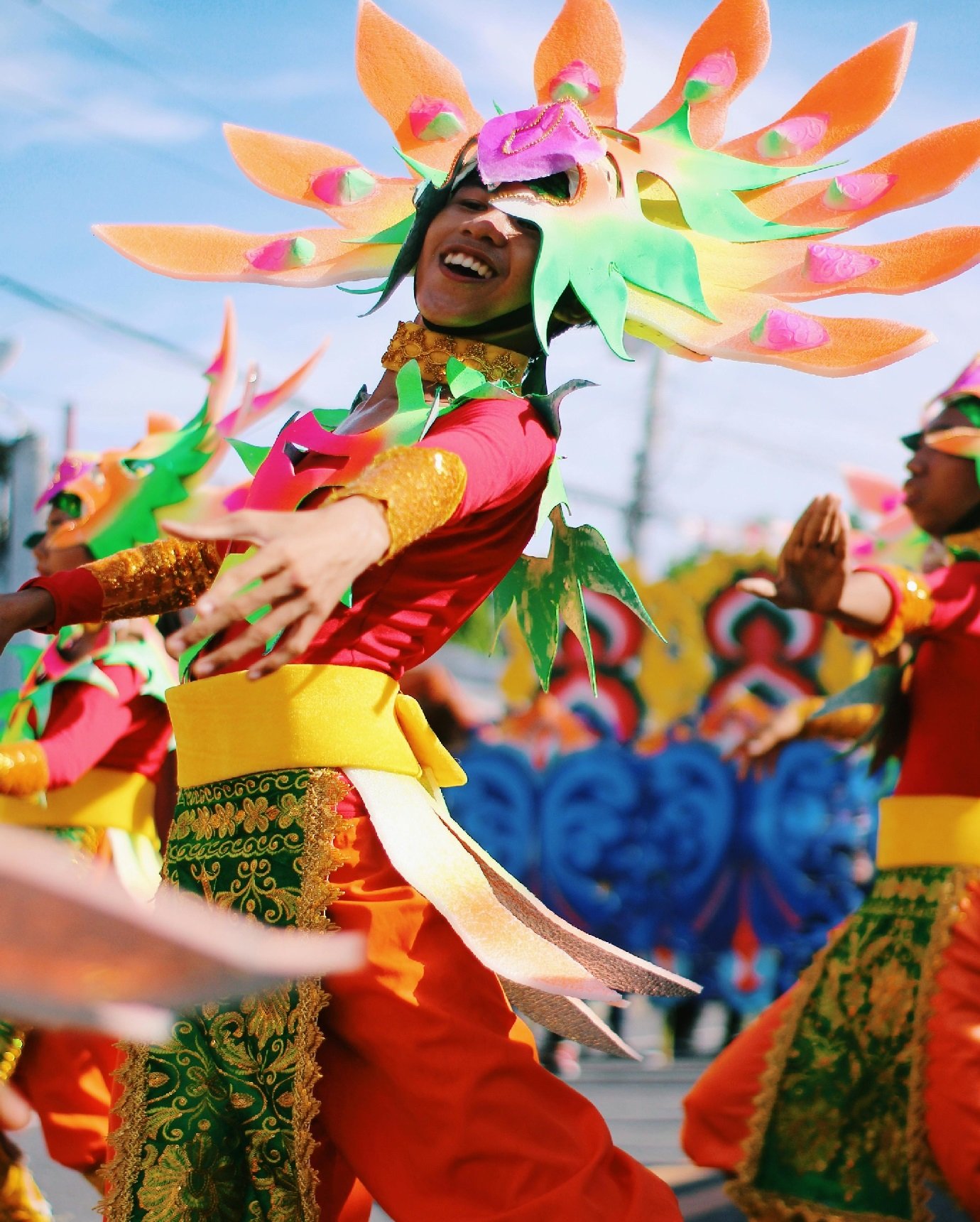
Cultural Icons: Symbols that Define a Society
Every society has its own unique set of cultural symbols and icons that help define its identity and values. These symbols can take many forms, from historical landmarks and monuments to famous works of art, literature, or even popular figures. Cultural icons are not just ordinary objects or individuals; they hold a special significance and are often revered by the community they belong to.
These icons serve as powerful reminders of a society's past, present, and future aspirations, shaping its collective memory and providing a sense of continuity and connection across generations. They can also serve as sources of inspiration, pride, or even controversy, depending on how they are perceived and interpreted by different groups within a society.
One of the most well-known cultural icons in the United States is the Statue of Liberty, which stands as a symbol of freedom and democracy. This iconic monument has come to represent the values of liberty, opportunity, and the American dream for millions of people around the world. It serves as a powerful reminder of the country's commitment to welcoming immigrants and upholding the principles of equality and justice.
In addition to landmarks like the Statue of Liberty, cultural icons can also take the form of famous historical figures such as Abraham Lincoln, Martin Luther King Jr., or Rosa Parks, who symbolize the struggle for freedom, equality, and civil rights in American history. These individuals have become larger-than-life figures whose legacies continue to inspire people to fight for justice and equality.
Artistic creations such as Leonardo da Vinci's Mona Lisa, Shakespeare's plays, or Beethoven's symphonies are also considered cultural icons that have transcended time and space to become universal symbols of human creativity and cultural achievement. These works of art have left an indelible mark on society and continue to influence and inspire artists, scholars, and audiences around the world.
Cultural icons are not static or fixed; they evolve and change over time as societies change and develop. New icons may emerge, while existing ones may lose their meaning or relevance. Nonetheless, these symbols continue to play a crucial role in shaping a society's identity and serving as touchstones for its values, beliefs, and aspirations.
In conclusion, cultural icons are more than just symbols; they are powerful embodiments of a society's identity, history, and values. Whether they take the form of landmarks, historical figures, or artistic creations, these icons play a vital role in shaping how we understand and connect with the world around us. By recognizing and appreciating these cultural symbols, we can gain a deeper appreciation for the richness and diversity of human experience.
Leave a Comment:
SEARCH
Recent News
- Zurich, Switzerland is a city known for its stunning landscapes, charming streets, and vibrant culture. One of the many delights of visiting Zurich is the opportunity to explore its unique shopping scene. For those looking to add a touch of luxury and warmth to their wardrobe, Zurich is the perfect place to discover exquisite wool stoles.
- Winter in Zurich, Switzerland is a magical time of year when snow-capped mountains, charming Christmas markets, and cozy cafes create a picturesque scene straight out of a fairytale. As the temperatures drop and the city prepares for the festive season, one essential accessory that both locals and visitors alike reach for to stay warm and stylish is a winter stole.
- Zurich, Switzerland: A Haven for Wildlife Conservation
- Zurich, Switzerland, and Vancouver, Canada, are two bustling cities known for their thriving startup scenes. In this blog post, we will take a closer look at some of the top startups making waves in each city.
- Zurich, Switzerland and Vancouver, Canada: A Comparison of Import and Export Opportunities
- Zurich, Switzerland and Vancouver, Canada are two vibrant cities with distinct characteristics that make them stand out in their respective regions. While Zurich is known for its financial prowess and high quality of life, Vancouver is a bustling hub of business and innovation on the west coast of Canada. Let's take a closer look at how these two cities compare in terms of their business environments.
- Zurich, Switzerland and Vancouver, Canada are both vibrant cities known for their strong economies and diverse job markets. In this article, we explore some of the best companies to work for in these two cities, highlighting their unique offerings and what makes them stand out in their respective industries.
- Located in the heart of Switzerland, Zurich is known for its stunning natural beauty, bustling city life, and thriving business environment. The city attracts businesses from all over the world, thanks to its robust infrastructure, highly skilled workforce, and favorable economic policies. For UK businesses looking to expand or set up operations in Zurich, there are a number of government business support programs available to help navigate the process.
READ MORE
11 months ago Category :

Zurich, Switzerland is a city known for its stunning landscapes, charming streets, and vibrant culture. One of the many delights of visiting Zurich is the opportunity to explore its unique shopping scene. For those looking to add a touch of luxury and warmth to their wardrobe, Zurich is the perfect place to discover exquisite wool stoles.
Read More →11 months ago Category :

Winter in Zurich, Switzerland is a magical time of year when snow-capped mountains, charming Christmas markets, and cozy cafes create a picturesque scene straight out of a fairytale. As the temperatures drop and the city prepares for the festive season, one essential accessory that both locals and visitors alike reach for to stay warm and stylish is a winter stole.
Read More →11 months ago Category :

Zurich, Switzerland: A Haven for Wildlife Conservation
Read More →11 months ago Category :
